
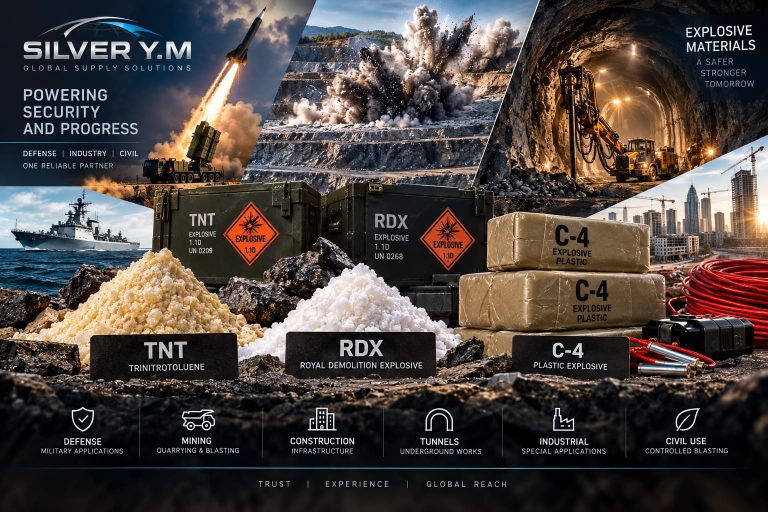
Industrial Applications of RDX, C-4 and TNT
Explosive materials have played an important role in specialized industrial and engineering applications for many decades. Materials such as RDX and TNT, as well as formulations that may contain RDX such as C-4, are associated primarily with highly regulated sectors where controlled energetic materials are required for specialized operations.
Their use is restricted to appropriately licensed organizations, trained professionals, and jurisdictions where such activities are legally authorized.
RDX, C-4 and TNT: Understanding the Materials
RDX is a high explosive known for its high energy output and stability relative to many other energetic compounds. It has historically been used in specialized military and industrial applications.
C-4 is a plastic explosive formulation that contains RDX together with other components. Its physical characteristics allow it to be formed into specific shapes for specialized professional applications.
TNT is a well-known explosive compound that has been used historically in military, engineering, and demolition-related applications. Its properties have also made it an important reference material within the explosives industry.
Industrial and Engineering Context
Historically, energetic materials have been associated with several specialized areas of industry, including:
Mining and Quarrying
Controlled blasting is an important part of large-scale mining and quarrying operations. Properly regulated explosive systems can be used by licensed blasting professionals to fracture rock and facilitate excavation.
Modern mining operations typically rely on purpose-designed commercial blasting products and sophisticated initiation and monitoring systems rather than general-purpose explosive materials.
Construction and Infrastructure
Specialized blasting can be relevant to major infrastructure projects where conventional mechanical excavation is impractical. Examples can include tunneling, excavation through hard rock, and certain large-scale civil engineering projects.
Such operations require detailed engineering assessments, controlled work zones, trained personnel, and compliance with local regulations.
Demolition
Professional demolition companies may use controlled energetic systems as part of complex demolition projects. These operations are carefully engineered to manage structural behavior, debris, vibration, noise, and surrounding infrastructure.
Explosive demolition is a specialist activity and is subject to extensive licensing and safety requirements.
Oil, Gas and Energy Infrastructure
The energy industry uses specialized energetic technologies in certain highly controlled applications. These can involve well-servicing and other specialist operations performed by qualified contractors using purpose-designed commercial products.
The specific materials and systems used depend on the operation, regulatory environment, and engineering requirements.
Research and Specialized Engineering
Energetic materials are also relevant to scientific research, materials engineering, and the development of specialized industrial technologies. Research environments require controlled facilities, qualified personnel, appropriate protective systems, and strict handling procedures.
Safety and Regulatory Compliance
Because energetic materials can present significant risks, their manufacture, transportation, storage, handling, and use are heavily regulated in most jurisdictions.
Professional organizations working in this field generally need to consider:
- Appropriate government licensing
- Qualified and trained personnel
- Secure storage facilities
- Controlled transportation
- Site-specific risk assessments
- Emergency response procedures
- Environmental requirements
- International transportation regulations
- Detailed documentation and traceability
Requirements vary substantially between countries and industries.
The Role of Professional Suppliers
Organizations operating in regulated industrial sectors typically work through licensed manufacturers, distributors, engineering companies, and specialist contractors.
For international projects, regulatory compliance is particularly important because requirements can apply at multiple stages of the supply chain, including export, import, transportation, storage, and final use.
Conclusion
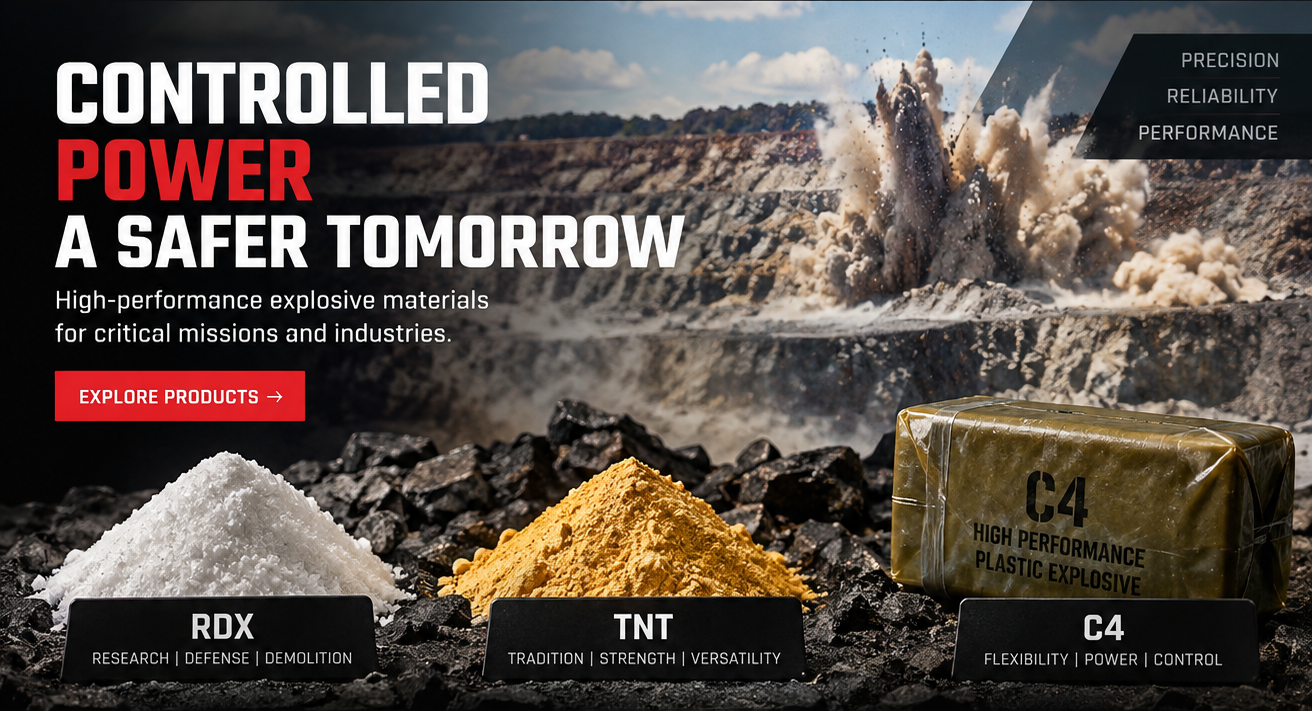
RDX, C-4 and TNT are associated with specialized and highly regulated areas of the energetic-materials industry. Their historical significance extends across military, engineering, mining, demolition, and research environments.
Today, professional industrial applications increasingly emphasize purpose-designed commercial products, engineering controls, digital monitoring, risk management, and strict regulatory compliance.
Any organization involved with energetic materials should work exclusively through properly licensed professionals and comply with all applicable national and international regulations.